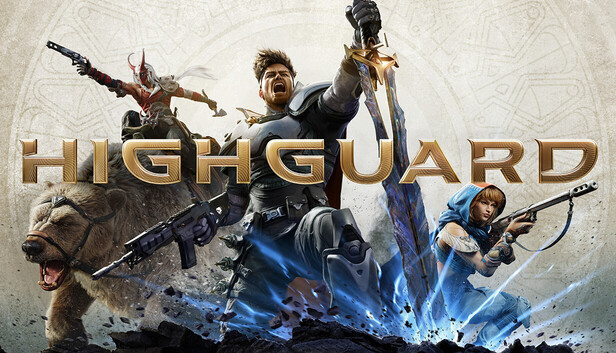
Decoding Highguard's Mention in Recent Gaming Podcasts
In the fast-paced world of video games, a single mention on a popular podcast can send ripples through the community, sparking intense speculation, excitement, or even concern. Recently, the game "Highguard" found itself in just such a spotlight, appearing on the topic list of a prominent gaming podcast. This brief inclusion immediately ignited conversations, particularly fueling searches and discussions around a specific, often dreaded phrase: "Highguard fermeture jeu." But what exactly does a fleeting podcast mention signify, and why has it led to such a concentrated focus on a potential game closure?
This article delves into the phenomenon surrounding Highguard's recent appearance in the gaming podcast landscape, dissecting the implications of such mentions and exploring why the community immediately jumped to conclusions about its potential shutdown. We'll analyze the ecosystem of gaming news, community reactions, and the inherent challenges that can lead a game to its end, all framed by the enigmatic mention of Highguard.
The Whispers Begin: Highguard's Podcast Appearance
The genesis of the current buzz around Highguard can be traced back to "Episode 10" of the GwenJuvideal podcast, a popular platform for chill discussions on video game news. Listed among an array of other trending topics like Memories in Orbit: MIO, Dead Space Extraction, and Crimson Desert, "Highguard" was a concise, unelaborated entry. The description offered no further details, merely a compilation of subjects that had "marked the week" for the hosts. Yet, for observant listeners and avid fans, this single word was enough.
Gaming podcasts serve as vital hubs for news and community engagement. They often reflect the zeitgeist of the gaming world, touching upon everything from triple-A releases to indie darlings, developer insights, and industry trends. When a game is mentioned, even in passing, it often signals its current relevance within the broader gaming discourse. As we've explored in previous discussions, such as Highguard Spotlighted in Latest Video Game News Podcast, these brief mentions can often serve as initial signals, prompting listeners to seek more information.
Why a Single Mention Matters
The power of a podcast mention lies in its ability to validate a game's presence in the public consciousness. For many, a topic covered by a reputable podcast is a topic worthy of attention. Even without explicit details, the inclusion of "Highguard" in GwenJuvideal's list suggested it was part of a significant conversation. This is where the ripple effect truly begins:
- Community Discussion: Listeners immediately turn to forums, social media, and dedicated fan groups to discuss what the mention might mean.
- Information Seeking: A surge in online searches for "Highguard news," "Highguard updates," and crucially, "Highguard fermeture jeu" demonstrates the community's desire for clarification.
- Speculation and Rumors: In the absence of official statements, the vacuum is quickly filled with theories, often escalating into rumors about a game's future.
The gaming community is highly attuned to subtle cues, and a game appearing on a discussion list after a period of quiet or amidst existing whispers can amplify concerns exponentially. The appearance of Highguard on various podcast discussion lists, as highlighted in articles like Gaming Weekly: Highguard Joins Top Podcast Discussion List, often prefaces deeper scrutiny from the player base.
Decoding "Highguard fermeture jeu": More Than Just a Rumor?
The phrase "Highguard fermeture jeu," translating to "Highguard game closure," is a potent one, carrying with it the weight of player investment and emotional attachment. While the GwenJuvideal podcast description did not explicitly state that Highguard was closing, the immediate surge in searches for this specific phrase indicates a pre-existing concern within the community, or perhaps an interpretation of the podcast's tone that led listeners down this path.
Game closures are an unfortunate reality of the ever-evolving gaming industry. They can happen for a multitude of reasons, impacting both developers and players. Understanding these common catalysts helps us put the "Highguard fermeture jeu" speculation into context:
- Financial Difficulties: Server maintenance, development costs, and marketing expenses are substantial. If a game isn't generating enough revenue, studios may face difficult decisions.
- Dwindling Player Base: For online multiplayer games, a declining active player count can make the game unviable, leading to empty servers and a poor player experience.
- Technical Challenges: Persistent bugs, server instability, or security issues can make a game unsustainable to maintain.
- Developer Pivot: Sometimes, studios choose to reallocate resources to new, more promising projects, even if an existing game still has a small but dedicated following.
- End-of-Life Cycle: Some games are designed with a natural lifespan, and once content updates cease and player interest wanes, a planned shutdown may occur.
The crucial distinction here is that while these are common reasons for closure, no official statement regarding Highguard's fate has emerged from the podcast mention itself. The community's immediate leap to "Highguard fermeture jeu" suggests that the game may have been experiencing other indicators of distress prior to its podcast mention, or that its inclusion on a general news roundup was interpreted as a sign of something significant – and potentially negative – occurring behind the scenes.
The Anatomy of a Game Closure
Before an official announcement, several indicators can often foreshadow a game's closure. Players, being deeply invested, often pick up on these signals:
- Lack of Updates: A noticeable slowdown or complete halt in content updates, bug fixes, or seasonal events.
- Reduced Communication: A significant decrease in developer interaction on official forums, social media, or community channels.
- Server Issues: Persistent downtime, latency problems, or difficulty connecting, often without timely explanations or resolutions.
- Delisting from Stores: The game becoming unavailable for purchase on digital storefronts, which often precedes a full server shutdown.
- In-Game Warnings: Sometimes, games will provide explicit in-game notifications or banners about impending service termination.
For players, a game closure can be devastating. It means losing progress, potentially wasted financial investment in cosmetics or expansions, and the dissolution of in-game communities and friendships. The emotional impact often fuels the urgency with which players search for information, even if it leads to speculative phrases like "Highguard fermeture jeu."
How Gaming Communities React to Uncertainty
In the digital age, information travels at lightning speed, often unfiltered. Gaming communities, whether on dedicated forums, Reddit, Discord, or social media platforms like TikTok and Facebook, act as powerful amplifiers of news and rumors alike. A brief podcast mention about Highguard can quickly become a trending topic, as players share screenshots, speculate wildly, and demand answers.
This rapid dissemination of information, while fostering community, also presents challenges:
- Echo Chambers: Speculation can quickly solidify into perceived fact within closed groups, even without official confirmation.
- Misinformation Spread: A misinterpretation of a podcast's tone or a minor detail can cascade into widespread panic.
- Pressure on Developers: The intense scrutiny and demands for answers can put immense pressure on developers, especially if they are not yet ready to make an official announcement.
The community's response to the Highguard mention and the subsequent "fermeture jeu" search trend underscores the deep emotional connection players have with their games. This passion, while a driving force for the industry, also necessitates a careful approach to information consumption and dissemination.
Navigating the Information Landscape
For players concerned about Highguard or any other game, it's crucial to distinguish between speculation and verified facts. Here are some practical tips:
- Seek Official Sources: Always prioritize official announcements from the game's developer or publisher. Check their official website, social media channels, and press releases.
- Cross-Reference Information: If you see a rumor on social media, try to find corroborating evidence from multiple reputable gaming news outlets or official channels.
- Listen Critically: When consuming podcasts or forum discussions, note whether information is presented as fact, speculation, or personal opinion.
- Be Patient: Official announcements regarding game closures are complex and often require careful planning. Developers will typically communicate clearly and directly when such decisions are finalized.
Conclusion
The mention of "Highguard" on a recent gaming podcast, particularly GwenJuvideal's Episode 10, serves as a fascinating case study in how a brief inclusion can spark a torrent of community activity and speculation. While the podcast itself offered no explicit details about the game's future, the immediate and widespread search for "Highguard fermeture jeu" highlights the community's vigilance and sensitivity to any potential signs of a game's demise.
This situation underscores the powerful role gaming podcasts play in shaping discourse and the deeply personal connection players have with their digital worlds. As the industry continues to evolve, understanding the nuances of how information spreads and the responsible ways to engage with it becomes ever more important. For now, the future of Highguard remains in the hands of its developers, with the gaming world eagerly, and perhaps anxiously, awaiting an official word.